Four Pillars. One Pipeline.
We empower students in grades 6–12 through a structured, cohort-based program that builds on each year's foundation — from financial vocabulary in 6th grade to college enrollment support in 12th grade.
Six-year graduation rate for scholarship recipients
— Gates Millennium Scholars / IHEP
Less likely to skip school with mentorship
— National Mentoring Partnership, 2022
Point credit score increase with financial literacy
— Champlain College / FINRA, 2023
Post-secondary enrollment with CTE exposure
— AdvanceCTE / EDSI, 2022
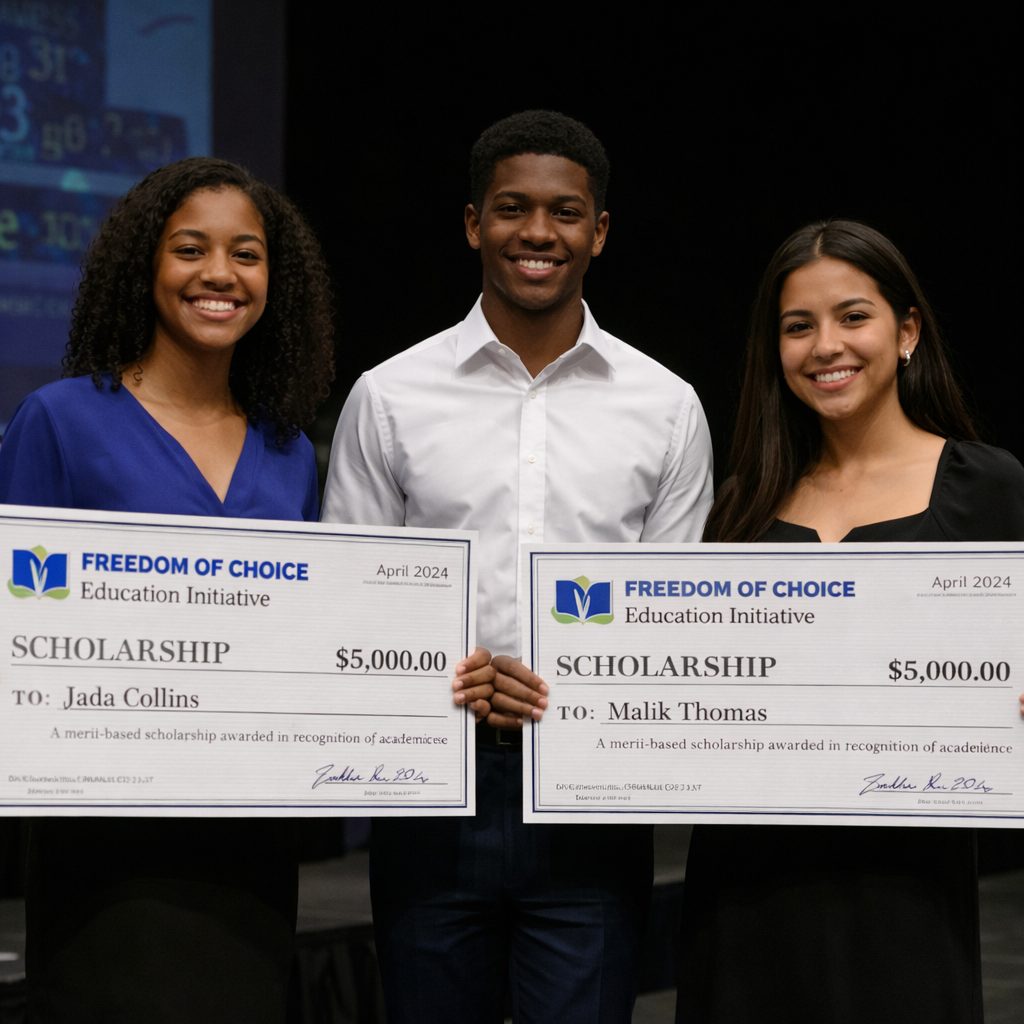
Scholarship Access & Navigation
The scholarship gap in Houston is not primarily a funding shortage. It is a navigation and awareness shortage. Existing scholarship programs routinely go underutilized because students lack the guidance to apply, accept, and enroll.
The data makes clear that scholarship navigation must begin no later than 9th grade, not senior year. Students need to know scholarships exist (awareness), believe they can win them (identity), and have guided support to apply, accept, and actually enroll (navigation).
— Houston Landing, 2024


Purpose & Path Mentorship Program
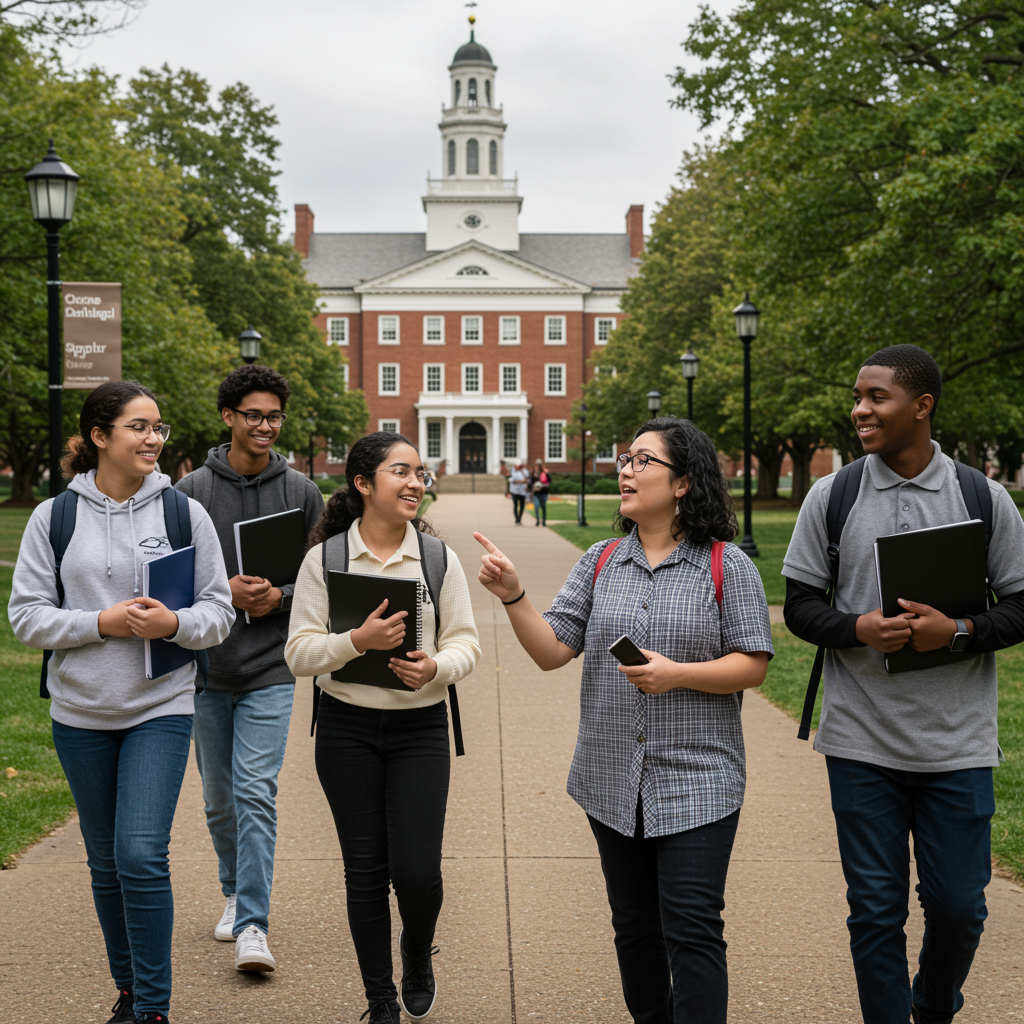
Mentorship is not a soft benefit. In under-resourced communities, it is the structural substitute for what high-income peers access through family networks. A mentor from a target career field communicates, in ways a brochure cannot, that a given pathway is possible for someone who looks like you and grew up where you grew up.
Students are placed into cohorts and matched with professionals working in Houston's highest-growth industries — healthcare, energy, technology, and logistics. Every match is intentional, pairing students with mentors who reflect their racial and economic backgrounds.
Cohort-Based Matching
Intentional pairing with professionals in Houston's highest-growth industries
Starting in 6th Grade
Before students self-select out of rigorous coursework
Monthly Group Sessions
Consistent, recurring contact modeled after proven Houston programs
Quarterly 1-on-1 Check-ins
Accountability tracking and individual guidance
— Big Brothers Big Sisters of America 30-Year Longitudinal Study, 2025
Financial Freedom Workshops
Texas does not require a standalone financial literacy course for graduation. This leaves the majority of students in Houston's under-resourced schools without structured exposure to budgeting, credit, debt, financial aid, or wealth-building — the exact tools needed to make college and career decisions.
Our financial literacy program is built on a curriculum developed by a JP Morgan Chase-credentialed banking professional, designed specifically for students ages 5–17. Every class is delivered in person by a trained educator at a 15:1 student-to-educator ratio.
Lay the foundation. Money mindset, banking, and savings. Students learn what money is, how it moves, and how to begin controlling it.
Dive into credit, debt, budgeting, and the risks of predatory financial products common in the neighborhoods these students live in.
Connect financial literacy directly to college and career. Financial aid, FAFSA, cost of attendance, scholarship navigation, and early compensation literacy.

Point credit score increase
Champlain College / FINRA, 2023
Less likely to fall behind on credit payments
Edutopia / Champlain College, 2023
| Industry | Sample Role | Median Salary |
|---|---|---|
| Healthcare / TMC | Registered Nurse | $75,000–$95,000 |
| Healthcare / TMC | Healthcare IT Analyst | $65,000–$90,000 |
| Energy / Clean Energy | Utility Lineworker (CenterPoint) | $60,000–$85,000 |
| Technology / Ion District | Cybersecurity Analyst | $80,000–$180,000 |
| Technology / Ion District | Cloud/Software Engineer | $90,000–$170,000 |
| Logistics / Port of Houston | Freight Operations Manager | $60,000–$85,000 |
| Finance / Professional Services | Financial Analyst | $65,000–$100,000 |
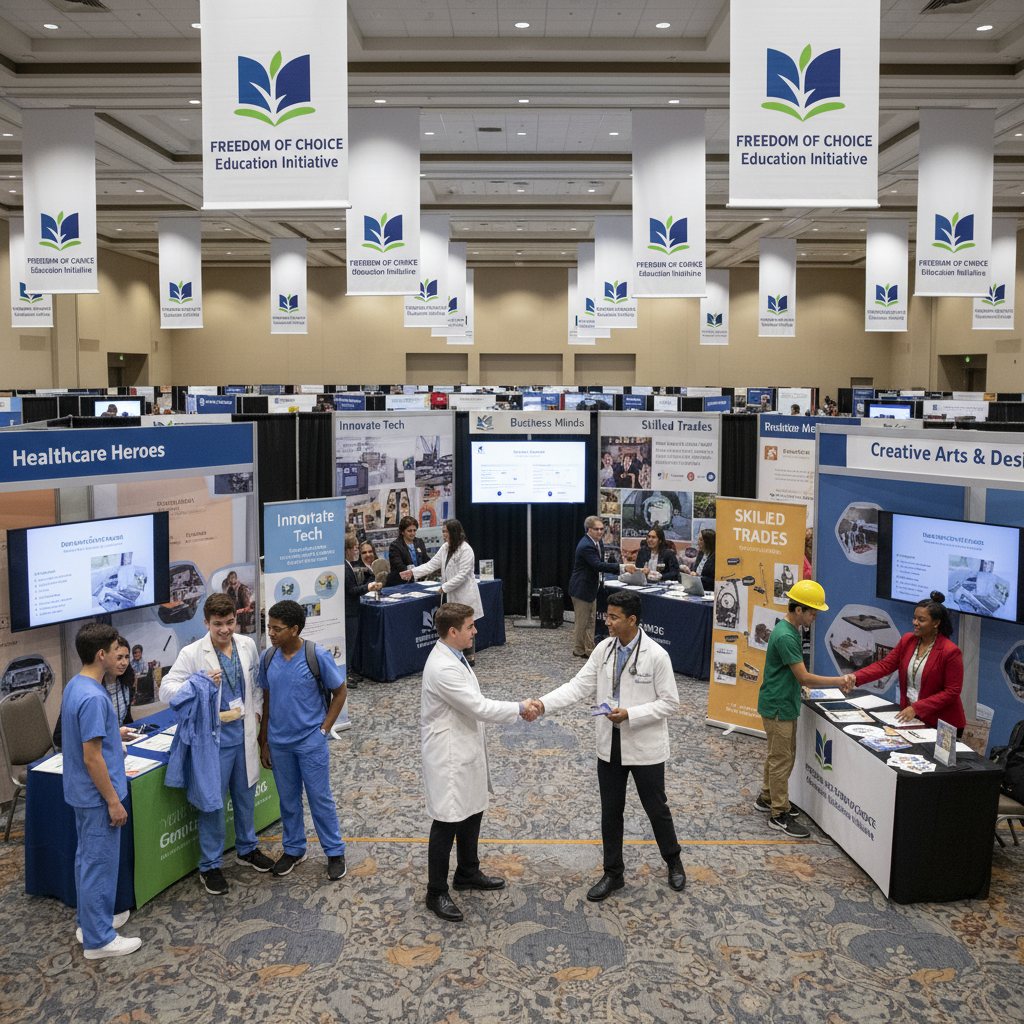
Campus Connect & Open Doors Career Expo
Career exposure must be more than a career fair or field trip. Research shows that the highest-impact interventions combine repeated, structured interaction with professionals in target fields; experiential learning tied to real work; and explicit connection between academic coursework and industry entry requirements.
We build partnerships with Houston Medical Center institutions (TMC, Texas Children's, Houston Methodist), energy sector employers (CenterPoint, ExxonMobil, Shell), technology hubs (Ion District, Hewlett Packard Enterprise), and logistics employers (Port of Houston, Amazon, FedEx).
— AdvanceCTE / EDSI, 2022
Grade-by-Grade Program Pipeline
Every year builds on the last. Students who enter in 6th grade graduate in 12th grade with a scholarship application portfolio, a professional mentor relationship, financial literacy credentials, and a confirmed post-secondary plan.
Career world introduction: What is a career? What do people in Houston do for work? First exposure to financial vocabulary (saving, budgeting, banking).
Milestones
Mentorship match; career exploration sessions; financial literacy foundation module
Industry deep-dives: Healthcare, tech, energy, logistics. Financial literacy: needs vs. wants, credit basics. What does college cost?
Milestones
Sector-aligned site visits; personal savings goal-setting; mentor check-ins
High school planning for career alignment: course selection matters. Financial literacy: banking, interest, debt intro. FAFSA concept introduction.
Milestones
High school course plan aligned to career goals; mock budget exercise; mentor capstone
Career pathway mapping: What education path leads where? Financial literacy: credit, debt, paycheck reading, compound interest. College cost modeling begins.
Milestones
Career pathway personal plan; financial literacy portfolio; job shadowing (1 day)
Credit, debt, budgeting, and the risks of predatory financial products common in the neighborhoods students live in. Scholarship awareness begins — what's available, who qualifies, and how to apply.
Milestones
First scholarship applications (early-stage); mock interview; mentor-led career panel
FAFSA/TASFA preparation and submission. Financial aid comparison. College visit coordination. Scholarship application support. Living wage research and early compensation literacy.
Milestones
FAFSA/TASFA submitted; 2+ scholarship applications; college visit completed; financial aid comparison worksheet
Acceptance and enrollment support. Financial aid award navigation. Anti-summer-melt coaching. Post-award planning: budgeting for college year 1.
Milestones
College or career enrollment confirmed; financial aid accepted; first-year budget drafted; mentor post-secondary plan
We Measure What Matters
Academic Progress
- School attendance & retention rates
- GPA improvement
- College enrollment & persistence
Financial Competency
- Financial literacy assessment scores (pre/post)
- Student loan debt avoidance
- Post-graduation employment & income
Personal Development
- Self-reported confidence & goal-setting
- Leadership participation
- Mentor relationship quality & consistency
Community Well-Being
- Reduction in justice system involvement
- Decreased school disciplinary incidents
- Increased civic engagement
Ready to Support Our Students?
Donate, volunteer, or become a mentor. Every contribution directly funds program delivery for Houston's under-resourced students.